
The Complete Guide to Creating and Using an OnlyFans List
What Is an OnlyFans List and Who Needs One?
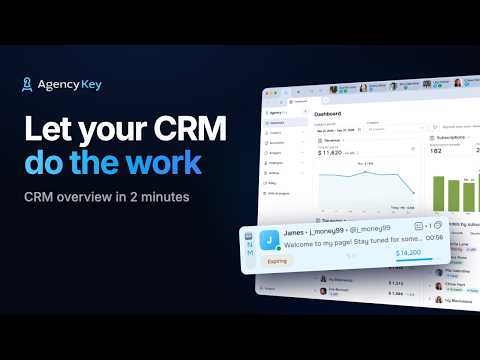
An only fans list is a structured collection of creator profiles, contact details, content schedules, and performance metrics. It functions like a mini‑CRM for creators, fans, or marketers who want to keep track of multiple accounts in a single, searchable place.
This tool is useful for a wide range of users: independent creators managing collaborations, talent agents scouting new talent, marketers planning promotional campaigns, and even fans who want to organize their favorite creators for easier access. Understanding who benefits most helps you decide how sophisticated your list needs to be.
Key Features to Look for in an OnlyFans List Tool
When evaluating software or spreadsheets for an only fans list, focus on features that streamline data entry and retrieval. Look for a searchable dashboard, customizable tags, and bulk import/export capabilities.
Additional capabilities such as automated reminders for upcoming content drops, analytics widgets, and role‑based access control can turn a simple list into a powerful workflow engine.
- Searchable dashboard with filters
- Tagging and categorization
- Bulk import/export (CSV, Excel)
- Automation for reminders and alerts
- Analytics and performance tracking
- Role‑based access and permissions
Benefits of Maintaining an Organized OnlyFans List
Having a well‑maintained list saves time by eliminating the need to hunt for creator links or contact information across multiple platforms. It also reduces the risk of duplicate outreach, which can harm professional relationships.
Beyond efficiency, an only fans list provides strategic insights. By aggregating engagement metrics, you can identify top‑performing creators, spot trends, and allocate resources where they generate the highest return.
Common Use Cases for an OnlyFans List
Different stakeholders use an only fans list in distinct ways. Below are the most frequent scenarios:
- Talent agencies tracking contract details and payout schedules.
- Marketers planning cross‑promotions and affiliate campaigns.
- Creators managing collaborations, shout‑outs, and shared content calendars.
- Fans creating personal directories for easy navigation and bookmarking.
Each use case emphasizes the same core requirement: reliable, up‑to‑date information that can be accessed quickly.
How to Set Up Your Own OnlyFans List – Step‑by‑Step Guide
Starting an only fans list does not require advanced technical skills. Follow these practical steps to get up and running:
- Choose a platform: a spreadsheet, a dedicated CRM, or a lightweight database.
- Define the columns you need: creator name, profile URL, niche, subscriber count, contact email, and notes.
- Gather data: use the OnlyFans search function, public directories, or direct outreach to collect the required details.
- Input the data and apply tags or categories to make filtering easier.
- Set up automation (if supported) for reminders about new content releases or contract renewals.
- Regularly review and clean the list to remove inactive profiles and update metrics.
By treating the list as a living document, you ensure it stays relevant and continues to deliver value over time.
Pricing and Support Considerations
Pricing models for list‑management tools vary widely. Free spreadsheet solutions have no cost but limited automation, while premium CRMs may charge per user or per month. Evaluate the total cost of ownership, including any add‑on modules for analytics or integrations.
Support is another critical factor. Look for providers that offer responsive email or chat assistance, comprehensive knowledge bases, and community forums. Good support can reduce downtime when you encounter data import errors or integration challenges.
Integration and Automation Options
Integrating your only fans list with other tools can amplify its usefulness. Common integrations include email marketing platforms, calendar apps, and payment processors. Automation can handle routine tasks such as sending reminder emails or updating subscriber counts.
Below is a quick comparison of three typical integration approaches:
| Integration Type | Complexity | Typical Use Cases | Cost |
|---|---|---|---|
| Native App Connectors | Low – plug‑and‑play | Email newsletters, calendar syncing | Often free or included |
| Zapier / Integromat Workflows | Medium – visual setup | Automated alerts, data syncing across SaaS tools | Subscription‑based, starts around $20/mo |
| Custom API Integration | High – developer resources needed | Real‑time analytics dashboards, bespoke reporting | Variable – development time costs |
Choosing the right approach depends on your business needs, scalability goals, and technical expertise.
Best Practices for Security and Reliability
Security should never be an afterthought, especially when handling creator contact information and performance data. Use tools that offer encrypted data storage, two‑factor authentication, and regular backups.
Reliability also matters. Opt for platforms with a proven uptime record and the ability to export data at any time. This ensures you can recover your only fans list if the service experiences downtime.
Frequently Asked Questions
Q: Do I need a paid tool to manage an only fans list?
A: Not necessarily. Simple spreadsheets can work for small operations, but paid tools add automation, security, and support that scale with your needs.
Q: How often should I update the list?
A: Aim for a weekly review, especially if you track active subscriber counts or upcoming content releases. Consistent updates keep the list accurate and actionable.
For creators looking to boost engagement, consider exploring resources that focus on audience interaction. The best onlyfans engagement strategies can complement a well‑structured list.